How to Clean Shower Curtains Plastic: Complete Guide (2026)
Prices and picks verified as of November 2026. Independent, reader-supported reviews.


Things to Know Before You Buy
- Check the care tag first. Most plastic shower curtains are machine washable on cold, but a few vinyl-only liners call for hand washing because hot water and a hard spin can warp or crack them.
- Skip the chlorine bleach. Bleach breaks down vinyl and PEVA over time and leaves a chemical smell in a closed shower stall. White vinegar and baking soda lift the same mildew without the damage.
- Add a couple of towels to the wash load. Old towels add friction in the machine drum and scrub soap scum off the plastic surface as the curtain tumbles.
- Air dry, don't tumble dry. Heat from a dryer is the fastest way to crack or shrink a plastic liner, so hang it back on the rod while it's still damp and let a fan or open window finish the job.
- Clean it monthly, on a schedule. Mildew spores take root in the folds before you can see them, so washing on a regular schedule beats scrubbing after stains set in.
Knowing how to clean shower curtains plastic properly is the difference between a liner that lasts a couple of years and one you end up replacing every few months. Soap scum, hard water spots, and pink mildew build up fast in a warm, wet shower stall, and vinyl and PEVA curtains trap that grime in their ridges and seams.
We researched manufacturer care labels and owner reviews across dozens of plastic and PEVA curtains to put together a method that works on vinyl, PEVA, and EVA liners alike. Expect to spend under an hour from start to a curtain that's rehung and dripping clean, using ingredients you probably already keep under the sink.
What You'll Need
- Supplies: white vinegar, baking soda, and mild dish soap for cleaning the plastic shower curtain
- Tools: a soft-bristle scrub brush and a washing machine or large basin
Step 1: Take down the curtain and liner
Unhook the plastic shower curtain and its liner separately and lay them flat on the bathroom floor or in the tub. Pulling both down at once lets you see exactly how much soap scum and mildew have built up along the bottom hem, where water pools and dries slowly.
Look for a care tag sewn into the side seam. Most vinyl and PEVA curtains list a cold machine wash with no bleach, but some thinner liners ask for hand washing only because the drum's spin cycle can tear the grommets. If the tag has faded or was never there, treat the curtain as hand-wash only until you know otherwise.
Shake off any loose hair, lint, or standing water over the tub before moving to the next step so you're not transferring extra grime into your cleaning solution.
Step 2: Pretreat soap scum and mildew spots
Mix equal parts white vinegar and warm water in a spray bottle and soak the plastic shower curtain's hem, folds, and any visibly dark mildew spots for ten to fifteen minutes. The acid in the vinegar breaks down mineral deposits and loosens the grime that soap scum leaves behind.
For spots that don't lift with vinegar alone, sprinkle baking soda directly onto the damp area and work it in with a soft-bristle brush using small circles. Baking soda is mildly abrasive, so it scrubs away surface mildew without scratching the plastic the way an all-purpose cleaner with grit can.
Rinse the pretreated spots with warm water before the wash cycle so you're not combining undiluted vinegar with detergent, which can reduce how well the detergent lathers.
Step 3: Wash the curtain with towels
If the care tag allows it, load the plastic shower curtain into the washing machine along with two or three old bath towels and run a gentle cycle on cold water with a small amount of mild liquid detergent. The towels add the scrubbing friction the machine's agitation alone can't provide against flat plastic.
Skip any spin setting above the delicate range, since a hard spin can stretch the grommet holes. If the curtain is hand-wash only, fill a bathtub or large basin with warm water, add a few drops of dish soap, and scrub the fabric section by section with the brush, rinsing the brush between sections.
Either way, rinse thoroughly until the water runs clear and no soap residue remains on the surface, since leftover detergent attracts dirt faster once the curtain goes back up.
Step 4: Dry it without heat
Hang the washed plastic shower curtain back on the shower rod while it's still damp and spread it out fully so no folds overlap. Overlapping sections trap moisture between layers and recreate the exact conditions that grow mildew in the first place.
Run the bathroom fan or crack a window for a couple of hours to speed up airflow, especially around the bottom hem, which holds water longest. Skip the clothes dryer entirely. Even a low-heat cycle can warp vinyl and PEVA plastic, leaving permanent creases or a curtain that no longer hangs flat.
If your bathroom doesn't ventilate well, dry the curtain outdoors over a deck railing or clothesline on a mild day, out of direct sun, since prolonged UV exposure also makes plastic brittle over time.
Step 5: Maintain it between washes
Run a squeegee or a dry towel down the plastic shower curtain after your last shower of the day to cut the time it spends wet. Mildew needs sustained moisture to take hold, and a thirty-second wipe-down removes most of what a full wash would otherwise need to tackle.
Keep the curtain spread open rather than bunched to one side when it's not in use, and leave the bathroom door cracked or the fan running for ten minutes after a shower so humidity has somewhere to go.
Plan on a full wash using the steps above every three to four weeks for a household that showers daily. Bathrooms with poor ventilation or hard water should wash more often, since mineral buildup and spores both move faster in those conditions.
Common Mistakes to Avoid
The most common mistake when cleaning a plastic shower curtain is reaching for bleach or an all-purpose cleaner with ammonia. Both break down the plasticizers that keep vinyl and PEVA flexible, so the curtain turns brittle and starts cracking at the folds within a few months instead of lasting years.
Washing on a hot cycle is a close second. Heat is what makes plastic pliable enough to mold during manufacturing, and the same heat in your washing machine can warp the sheet, shrink the grommet holes, or fuse folds together if the curtain bunches up during the spin.
Skipping the rinse step causes problems you won't notice until later. Soap residue left on plastic attracts dust and oil from the air, so a curtain that looked clean coming out of the wash can look dingy again within a week, which leads some people to assume the wash failed when the real issue is an incomplete rinse.
Letting the curtain dry bunched against the shower wall undoes most of the work from the wash. Folded plastic traps water between the layers, and that trapped moisture is exactly what mildew spores need to re-establish themselves, often faster than the original buildup took to form.
Finally, waiting until mildew turns visibly black before cleaning makes the job harder than it needs to be. Mold pigments set into the plastic's surface texture over time, and an early vinegar treatment lifts stains that a month-old colony will only partially fade.
Our Top Picks
If a wash won't save your current plastic shower curtain, or you're ready to replace a liner that's already stiff and discolored, these are the picks we'd start with based on verified owner reviews and specs.
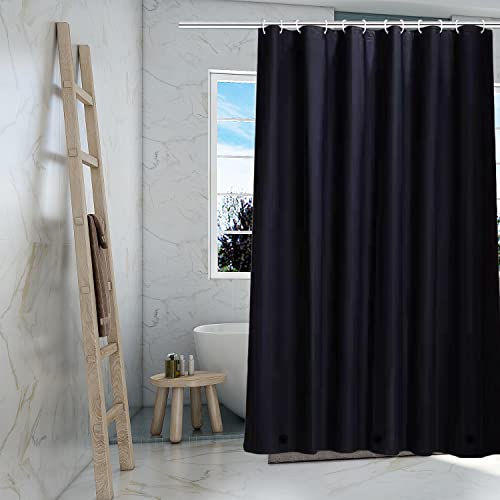
Editor's Pick
TIKABC Black Shower Curtain Liner
Owners report this PEVA liner wipes clean easily and resists the yellowing that plagues cheaper vinyl, making it the easiest one on this list to keep looking new between washes.
$5.99
Check Price on Amazon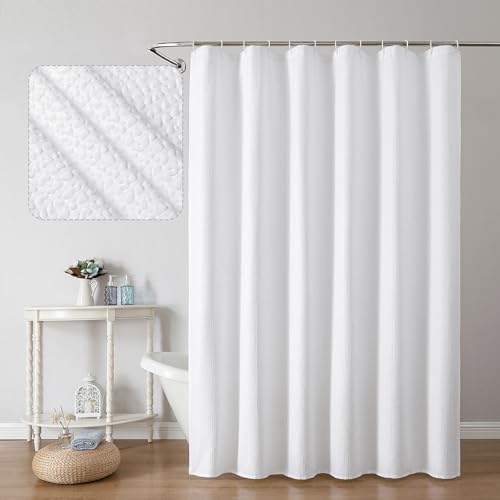
Best Value
OWENIE White Shower Curtain for
At under $8, reviewers consistently note this curtain holds up to weekly washing without curling at the edges, which makes it a low-risk pick if you're replacing rather than cleaning.
$7.97
Check Price on Amazon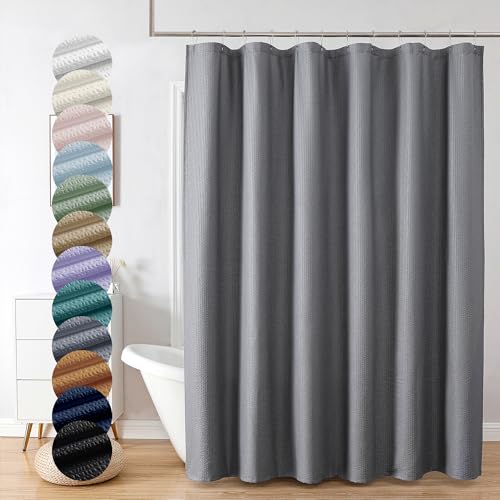
Premium Choice
OVZME Berry Grey Waffle Shower
The waffle-weave texture hides water spots between cleanings better than a flat liner, according to verified buyers, so it stretches the time between full washes.
$8.99
Check Price on AmazonCan you put a plastic shower curtain in the washing machine?
Yes, most PEVA and vinyl shower curtains are machine washable on a cold, gentle cycle, but check the care tag first since a few hand-wash-only liners can tear if they go through a hard spin.
What is the best homemade cleaner for a plastic shower curtain?
A mix of equal parts white vinegar and warm water, left to sit for ten to fifteen minutes before scrubbing, cuts through soap scum and mildew without the chemical damage bleach causes to vinyl and PEVA.
Frequently Asked Questions
Can you put a plastic shower curtain in the washing machine?
Yes, most PEVA and vinyl shower curtains are machine washable on a cold, gentle cycle, but check the care tag first since a few hand-wash-only liners can tear if they go through a hard spin.
What is the best homemade cleaner for a plastic shower curtain?
A mix of equal parts white vinegar and warm water, left to sit for ten to fifteen minutes before scrubbing, cuts through soap scum and mildew without the chemical damage bleach causes to vinyl and PEVA.
How often should you clean a plastic shower curtain?
Wash it every three to four weeks if you shower daily, and more often in a bathroom with poor ventilation or hard water, since both conditions speed up mildew growth and mineral buildup.
Can you use bleach on a plastic shower curtain?
Avoid it. Bleach breaks down the plasticizers in vinyl and PEVA, which makes the curtain brittle and prone to cracking at the folds within a few wash cycles.
Why does my shower curtain still smell musty after washing?
Leftover detergent residue or incomplete drying are the usual causes. Rinse until the water runs clear and hang the curtain fully extended so it dries within a few hours instead of staying damp in folds.
Verdict
Knowing how to clean shower curtains plastic the right way comes down to a few habits: pretreat with vinegar instead of bleach, wash on cold with a couple of towels for scrubbing friction, and dry the curtain fully extended instead of bunched against the wall. Skip any of those steps and mildew comes back within weeks, no matter how thorough the scrub was.
Follow the five steps above and a vinyl or PEVA curtain can last well past the point where most people give up and toss it. If yours is already stiff, yellowed, or cracking at the folds despite a proper wash, replacing it is the more practical move than fighting stains that have set into the plastic itself. The TIKABC Black Shower Curtain Liner is the easiest option to keep clean going forward, since owners report it wipes down without the yellowing that shows up on thinner liners after a few months of regular washing.