Best How to Prevent Shower Curtain Mildew (2026)
Prices and picks verified as of September 2026. Independent, reader-supported reviews.


Things to Know Before You Buy
- Mildew is a moisture problem, not a cleaning problem. The black spots come back as fast as you scrub them off unless you change how the curtain dries between showers.
- The bottom 6 inches do almost all the work. That hem sits in the wettest air and pools the most water, so that is where you focus your drying and your weekly vinegar spray.
- Airflow beats any cleaner. A curtain spread wide in a ventilated bathroom dries in about an hour. A bunched curtain in a closed room can stay damp for half a day.
- You need almost nothing to do this. White vinegar, a spray bottle, and a cloth cover the whole routine for under $10.
- A fast-drying liner makes the habit easier. A thin PEVA or treated liner sheds water faster than a heavy fabric panel, so the daily steps take less effort.
How to prevent shower curtain mildew comes down to a handful of small habits you repeat after every shower. These habits are what replace the heroic once-a-season deep clean. Mildew is a moisture problem. Give the curtain a way to dry and somewhere for the humidity to escape, and the black spots never get a foothold. The five steps below take a couple of minutes a day plus one short cleanup a week, and they work on plastic liners, PEVA, and fabric curtains alike.
I learned this the slow way. Three years ago I came home from vacation, opened the bathroom door, and walked into a wall of damp, musty air. The bottom of the curtain was speckled with black spots, and I spent the better part of an evening scrubbing it with vinegar. That night I made a rule for myself: never leave the curtain pulled shut after a shower again. The routine in this guide grew out of that mistake, and my curtains have stayed clean since.
What You'll Need
- Supplies: white vinegar, baking soda, mild dish soap
- Tools: spray bottle, microfiber cloth or squeegee
Step 1: Spread the curtain wide after every shower
The moment you turn off the water, slide the curtain all the way across the rod and leave it loose. Do not bunch it to one end, and do not pull it drum-tight against the wall. You want the whole panel hanging in open air with space between the folds.
This one move does more to prevent shower curtain mildew than any cleaner. Mildew needs water that sits still. A curtain spread wide dries in roughly an hour, while a wadded-up one traps a film of water in every crease and stays damp long enough for spores to settle. The bottom hem is the worst offender, so check that it hangs flat and is not folded back on itself.
If your hooks stick and make spreading the curtain a chore, swap them for smooth roller rings. When the curtain glides with one pull, you actually do this every time instead of skipping it on busy mornings.
Step 2: Ventilate the bathroom for 30 minutes
Right after you spread the curtain, give the humidity somewhere to go. Run the exhaust fan and crack a window or leave the door ajar for about half an hour. If you only have a fan, let it run the full 30 minutes rather than shutting it off the second you step out.
Airflow is the part most people skip, and it is the part that decides everything. When I started leaving the window open for half an hour after each shower, even on cold mornings, my curtain stayed clean far longer than scrubbing ever kept it. Moist air that lingers in a sealed bathroom condenses on the curtain, the walls, and the ceiling, and that standing dampness is exactly what mildew feeds on.
To prevent shower curtain mildew in a windowless bathroom, lean harder on the fan and prop the door open so drier air from the rest of the house can move in. A small clip-on fan pointed at the tub works too if the built-in vent is weak.
Step 3: Dry the bottom hem and tub edge
Take a microfiber cloth or a squeegee and run it down the bottom few inches of the curtain and along the lip of the tub. These spots collect the most water and dry the slowest, so a ten-second wipe removes the puddle that would otherwise sit there for hours.
You do not need to towel off the whole curtain. Focus on that bottom band and any folds near the corners where the panel meets the wall. If you use a liner, wipe both the liner and the outer curtain so water does not get sandwiched between them.
This step is the cheapest insurance against mildew you can buy, because it clears away the water that feeds the spores before they get going. Drier fabric means there is nothing left for spores to grow in overnight, which is when bathrooms cool down and condensation peaks.
Step 4: Spray the curtain with white vinegar weekly
Once a week, fill a spray bottle with plain white vinegar and mist the bottom third of the curtain and liner. Let it sit for a few minutes, then leave it to air-dry. You do not have to rinse it. The whole job takes about two minutes and costs a few cents.
This is the maintenance step I rely on most, and it is the reason I rarely scrub anymore. White vinegar lowers the surface pH enough that mildew struggles to take hold, so you stop the spots before they ever appear instead of fighting them after. Hit the seams and the hem hardest, since that is where soap residue and water collect.
If you want an even cheaper way to prevent shower curtain mildew, this is it. A single jug of white vinegar lasts months, and a thin plastic or frosted curtain shrugs off the weekly spray without fading or stiffening. Skip bleach for the weekly pass; it is harsher than the job needs and can weaken some liners over time.
Step 5: Wash the liner once a month
Every three to four weeks, take the liner down and run it through the washing machine. Add a cup of white vinegar and a half cup of baking soda on a warm cycle, with a couple of old towels in the drum to scrub gently. Skip the heat of the dryer and hang the liner straight back on the rod to dry.
A monthly wash clears out the soap scum and hard-water film that the daily steps cannot reach. That film is what mildew clings to, so removing it resets the curtain to a clean surface that the vinegar spray can then protect. Fabric curtains can usually go on a gentle cold cycle; check the care tag first.
Hanging the liner back up wet is the final piece. Folding it over the rod or tossing it in a hamper undoes the whole routine, because it traps moisture in the creases. Spread it wide, turn on the fan, and you are back to step one.
Common Mistakes to Avoid
The biggest mistake I see, and the one no tutorial seems to mention, is pulling the curtain straight and tight against the tub the second you finish. It looks tidy, but water gets trapped in the taut folds, dries badly, and mildew sets in right along the bottom. Once I started leaving the curtain a little open and a little slack, the spots mostly stopped coming back. So when you try to prevent shower curtain mildew, resist the urge to make it look neat right away.
A second mistake is treating mildew as a scrubbing problem. People wait until the spots appear, attack them with bleach, and then repeat the whole battle a month later. Scrubbing removes what you can see but does nothing about the standing moisture that grew it, so it always returns.
Skipping ventilation is just as common. Turning the fan off the instant you step out, or never opening the door, leaves a sealed box of warm wet air that condenses on every surface. Give it the full half hour.
Finally, do not let wet towels pile on the floor next to the tub or leave the liner crumpled in a hamper. Both add humidity to a room that is already struggling to dry out, and they undercut everything the five steps are doing.
Our Top Picks
The routine matters more than the gear, but the right curtain and hooks make it easier to keep up. These three picks support the habits above: a fast-drying set, a wipe-clean budget curtain, and smooth hooks that let you spread the curtain in one pull.

Editor’s Pick
Amazon Basics Complete Bathroom Set
A complete set with a water-repellent liner that dries fast and rinses clean. If you want one purchase that sets up the whole anti-mildew routine, start here.
$19.62
Check Price on Amazon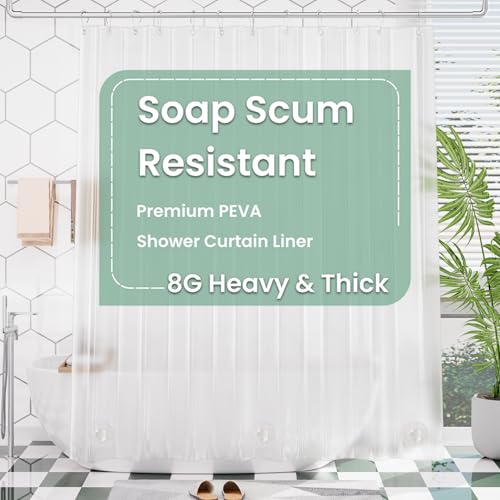
Best Value
AmazerBath Frosted Shower Curtain Plastic
At around $12, this frosted plastic curtain is the one I would buy for the routine. It wipes down in seconds and takes the weekly white vinegar spray without fading or stiffening, so upkeep costs almost nothing.
$11.99
Check Price on Amazon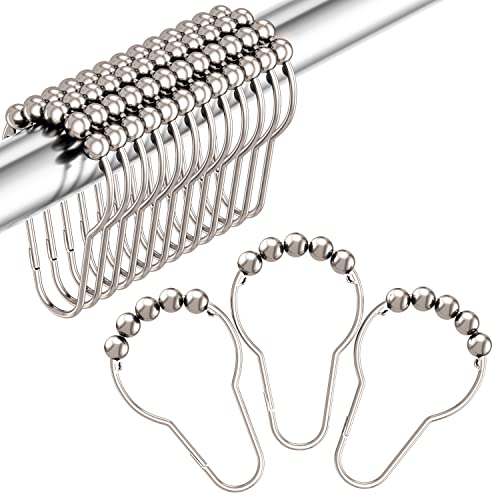
Premium Choice
Amazer Shower Curtain Hooks Decorative
Decorative roller hooks that glide instead of catching. Smooth hooks make spreading the curtain wide a one-second move, which is the habit that does the most to keep mildew away.
$5.21
Check Price on AmazonFrequently Asked Questions
What causes mildew on a shower curtain?
Mildew grows wherever moisture sits still on a warm surface. When you bunch a wet curtain against the tub or skip ventilation, water stays trapped in the folds for hours and feeds the spores that show up as black or pink spots along the bottom hem.
Does white vinegar actually stop shower curtain mildew?
Plain white vinegar lowers the surface pH enough to stop most mildew from establishing. Spray the bottom of the curtain once a week, let it sit a few minutes, and you head off the spots before they need scrubbing. It costs a few cents per use and takes about two minutes.
How often should you wash a shower curtain liner?
Wash a plastic or PEVA liner about once a month, and a fabric one every three to four weeks. Run it on a warm cycle with a cup of vinegar and a half cup of baking soda, then hang it back up to dry. Waiting longer lets soap scum build into a film that mildew clings to.
Should I leave the shower curtain open or closed after a shower?
Spread it wide open. A closed or bunched curtain traps water in the folds and dries slowly, which is the most common reason mildew comes back. An open, slightly slack curtain dries in about an hour, especially with the fan running.
Can I prevent mildew without a bathroom window?
Yes. Run the exhaust fan for a full 30 minutes and prop the door open so drier air from the rest of the house can move in. A small clip-on fan aimed at the tub helps in windowless bathrooms, and the weekly vinegar spray matters even more when airflow is limited.
Verdict
You prevent shower curtain mildew by managing moisture, not by scrubbing harder. Spread the curtain wide after every shower, ventilate the bathroom for half an hour, dry the bottom hem, spray white vinegar once a week, and wash the liner monthly. None of it takes long, and together the five steps keep the black spots from ever getting started. After I built this routine three years ago, my curtain has stayed clean without a single deep-scrub session. If you want gear that makes the habit easier, the Amazon Basics Complete Bathroom Set gives you a fast-drying liner that rinses clean, the AmazerBath frosted curtain handles the weekly vinegar spray for about $12, and smooth roller hooks let you spread the curtain in one pull. Start with the daily steps today, add the weekly and monthly steps to your calendar, and mildew stops being a recurring chore.