Shower Curtain Materials Explained (2026)
Prices and picks verified as of September 2026. Independent, reader-supported reviews.

Things to Know Before You Buy
- Vinyl and PEVA repel water on their own; cotton, linen, and polyester need a separate liner behind them.
- PVC vinyl carries the strongest new-plastic smell of any shower curtain material, and it fades within a few days of hanging it in a ventilated bathroom.
- A heavier fabric curtain needs a sturdier rod. Tension rods rated for lightweight liners can bow under wet cotton or hemp.
- Machine-washable materials (cotton, polyester, most EVA liners) last longer than vinyl, which cracks if you fold or scrub it too hard.
- Weighted or magnetic hems matter more than material choice for stopping a curtain from clinging to your legs mid-shower.
Shower curtain materials explained in plain terms come down to five categories: vinyl, PEVA, EVA, polyester, and natural fabrics like cotton or linen. Each one sheds water, holds odor, and wears out on a different timeline, so the label on the package tells you more about how the curtain will behave in six months than the color or pattern does.
Get the material wrong and you end up with one of two problems. A fabric curtain without a liner lets water soak through onto your floor, and a cheap vinyl liner without ventilation traps that plastic smell and starts growing mildew along the bottom hem within a month. Both are avoidable once you know what you're buying.
Vinyl and PEVA repel water without a liner. Cotton, linen, and polyester need one behind them. Your bathroom's ventilation and how often you're willing to do laundry matter as much as the material itself, and a heavier curtain needs a sturdier rod behind it than a lightweight liner does.
What You Need to Know
Any shower curtain materials explained guide has to start with one distinction: waterproof versus decorative. Vinyl (PVC), PEVA, and EVA are waterproof on their own. Water beads on the surface and runs off instead of soaking through, which is why these three materials double as liners. Cotton, linen, hemp, and polyester are woven fabrics. They look better hanging in a bathroom, but water passes straight through them, so you hang one of the waterproof materials behind them as a liner.
PVC vinyl is the cheapest and most water-resistant option, and it's also the one people complain about most. Fresh vinyl releases volatile organic compounds that create that sharp plastic smell, and the chlorine in PVC means it can't be recycled curbside in most US cities. PEVA and EVA solve the smell problem because neither contains chlorine, though PEVA tends to be thinner and less durable than a heavy-gauge vinyl liner.
Weight is the other variable worth tracking. A 70-gauge vinyl liner weighs almost nothing and works fine on a basic tension rod. A cotton duck curtain or a hemp curtain can weigh several pounds once it's wet, and it needs a rod rated to hold that weight without bowing in the middle.
Types and Categories
Vinyl (PVC) is the original shower curtain liner material and still the most water-resistant. It's inexpensive, wipes clean, and holds its shape, but it cracks with age and carries the strongest chemical smell out of the box. Look for a heavier gauge, 6 or above, if you want one that outlasts a single season.
PEVA (polyethylene vinyl acetate) is the chlorine-free alternative most retailers stock now. It repels water almost as well as vinyl, ships with far less odor, and costs slightly more. EVA (ethylene vinyl acetate) is a step up from PEVA in thickness and clarity, which is why most of the frosted or clear liners you see are EVA rather than PEVA.
Polyester curtains are woven, not molded, so they're decorative rather than waterproof. Many are treated with a water-repellent coating that beads water for the first several washes before it wears off. Cotton and linen curtains have no coating at all. They're breathable, machine washable, and the most likely to develop mildew spots if you don't run a fan or crack a window after each shower. Hemp sits between the two: naturally antimicrobial and slower to mildew than cotton, but stiffer and pricier.
How to Choose
Start with your bathroom's ventilation, since it decides more than any other factor in this shower curtain materials explained breakdown. A windowless bathroom with a weak exhaust fan holds humidity longer, and that humidity is what turns a damp cotton hem into a mildew problem within weeks. If your fan is underpowered or you don't run it every time, pick vinyl, PEVA, or EVA over a natural fabric, and rinse the liner after each use.
Next, think about how you actually clean your bathroom. If you're willing to machine wash a curtain every couple of weeks, cotton and polyester hold up fine and come out looking new. If you'd rather wipe a curtain down and move on, a vinyl or EVA liner takes thirty seconds with a damp cloth and doesn't need a wash cycle at all.
Match the curtain's weight to your rod. A basic spring-tension rod handles any liner material without trouble, but a full-length cotton or hemp curtain, especially one long enough for a walk-in shower, needs a rod rated for more weight so it doesn't sag in the center over time. Check the rod's listed weight capacity before you buy a heavier fabric.
Budget and household matter too. Vinyl and PEVA are the cheapest options and the easiest to replace if kids or pets tear them. Cotton and linen cost more up front but last longer if you're not dealing with small hands pulling on the curtain daily. If anyone in your household has sensitivities to plastic odors, skip vinyl entirely and go with PEVA, EVA, or a natural fabric with a separate liner.
Common Mistakes to Avoid
The most common mistake shoppers make with shower curtain materials is buying a decorative fabric curtain without realizing it needs a separate liner. Cotton and polyester curtains look complete on their own in product photos, but without a PEVA or vinyl liner behind them, water runs straight through onto your bathroom floor.
A close second is skipping ventilation after switching to a natural fabric. Cotton and linen hold onto moisture longer than plastic liners, and if you close the bathroom door right after a shower without running a fan, mildew spots show up along the bottom hem within a few weeks.
People also underestimate how much a vinyl curtain smells fresh out of the package. That smell is off-gassing VOCs, and it fades faster if you hang the curtain and run the fan for a day or two before your first shower, rather than washing it or masking it with air freshener.
Finally, shoppers often ignore rod compatibility. A heavy cotton or hemp curtain on a lightweight tension rod will pull the rod down in the middle within a month. Check the rod's weight rating against your curtain's material before you hang it, not after it's already sagging.
Care and Maintenance
Care routines differ enough across shower curtain materials that the wrong routine shortens a curtain's life fast. Vinyl and EVA liners need nothing more than a wipe-down with a damp cloth once a week and an occasional rinse in warm water with a splash of vinegar to dissolve soap scum. Skip the washing machine. The agitation cracks vinyl and can warp EVA.
PEVA liners tolerate a gentle machine wash on cold with a mild detergent, then an air dry, but check the tag first since some thinner PEVA liners are wipe-only. Cotton, linen, and polyester curtains handle a normal cold or warm machine wash and can go in the dryer on low, though line-drying keeps a water-repellent coating intact longer.
Whatever material you're working with, run your bathroom fan or crack a window for twenty minutes after every shower, and shake the curtain out so it doesn't sit bunched against the tub wall. That single habit does more to prevent mildew than any specific fabric choice. Replace a vinyl or PEVA liner every six to twelve months once it starts smelling musty no matter how often you clean it, and expect a well-cared-for cotton or linen curtain to last two to three years.
Our Top Picks
Whichever material you land on, it needs a rod that can hold it up without sagging. These three cover the range, from a basic tension setup for a lightweight liner to a reinforced curved rod for a heavier fabric curtain.
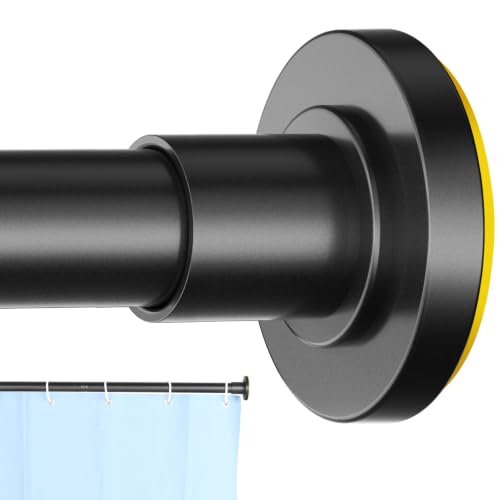
Editor's Pick
CorkLatta Black Shower Curtain Rod
A rust-resistant black tension rod with enough grip to hold a heavier cotton or hemp curtain steady.
$14.99
Check Price on Amazon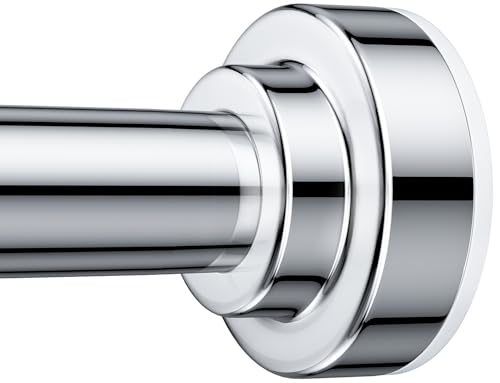
Best Value
TEECK Shower Curtain Rod 32-80
An adjustable rod for standard tub widths, sized right for a lightweight PEVA or EVA liner.
$15.99
Check Price on Amazon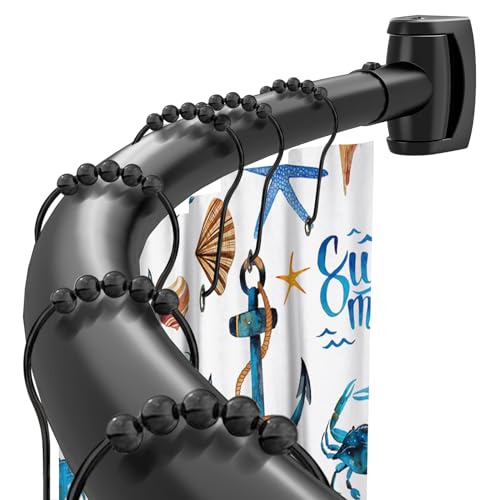
Premium Choice
Black Curved Shower Curtain Rod
A curved rod that adds shoulder room in the shower, built to support a full-length fabric curtain without bowing.
$19.99
Check Price on AmazonFrequently Asked Questions
What is the most water-resistant shower curtain material?
Vinyl (PVC) sheds water better than any other shower curtain material and needs no liner underneath. PEVA and EVA come close and skip the PVC odor, which is why most liners on the market use one of those two instead.
Is PEVA safer than vinyl for a shower curtain?
PEVA contains no chlorine and releases far fewer volatile organic compounds than PVC vinyl, so it carries less of that plastic smell when you unbox it. Both materials keep water off your floor equally well once they've been hung for a day or two.
Do fabric shower curtains need a liner?
Yes. Cotton, linen, and polyester curtains are decorative rather than waterproof, so you need a PEVA, EVA, or vinyl liner behind them to keep water inside the tub or stall.
Can you machine wash a vinyl shower curtain?
Skip it. The machine's agitation cracks vinyl over time. Wipe vinyl and EVA liners down with a damp cloth instead, and save the washing machine for PEVA, cotton, linen, or polyester curtains that list it as safe on the tag.
How often should you replace a shower curtain liner?
Replace a vinyl or PEVA liner every six to twelve months, sooner if it develops mildew spots that don't come off with cleaning. A well-maintained cotton or linen curtain typically lasts two to three years.
Verdict
With shower curtain materials explained down to the basics, the decision comes down to two questions: do you want a low-maintenance liner or a curtain you're willing to launder, and does your bathroom's ventilation support a natural fabric without inviting mildew. Vinyl and PEVA win on cost and water resistance. Cotton and linen win on looks and longevity if you keep them dry between showers. Whichever material you choose, pair it with a rod built to hold its weight, and a CorkLatta tension rod is a solid starting point for anything heavier than a basic liner.